
The 'Silicone-Smoothing' Technique: Achieving Glass-Like Finish on Structured Overlays
Master the art of surface tension manipulation to eliminate ripples, shadow lines, and premature dulling in your structured gel overlays.
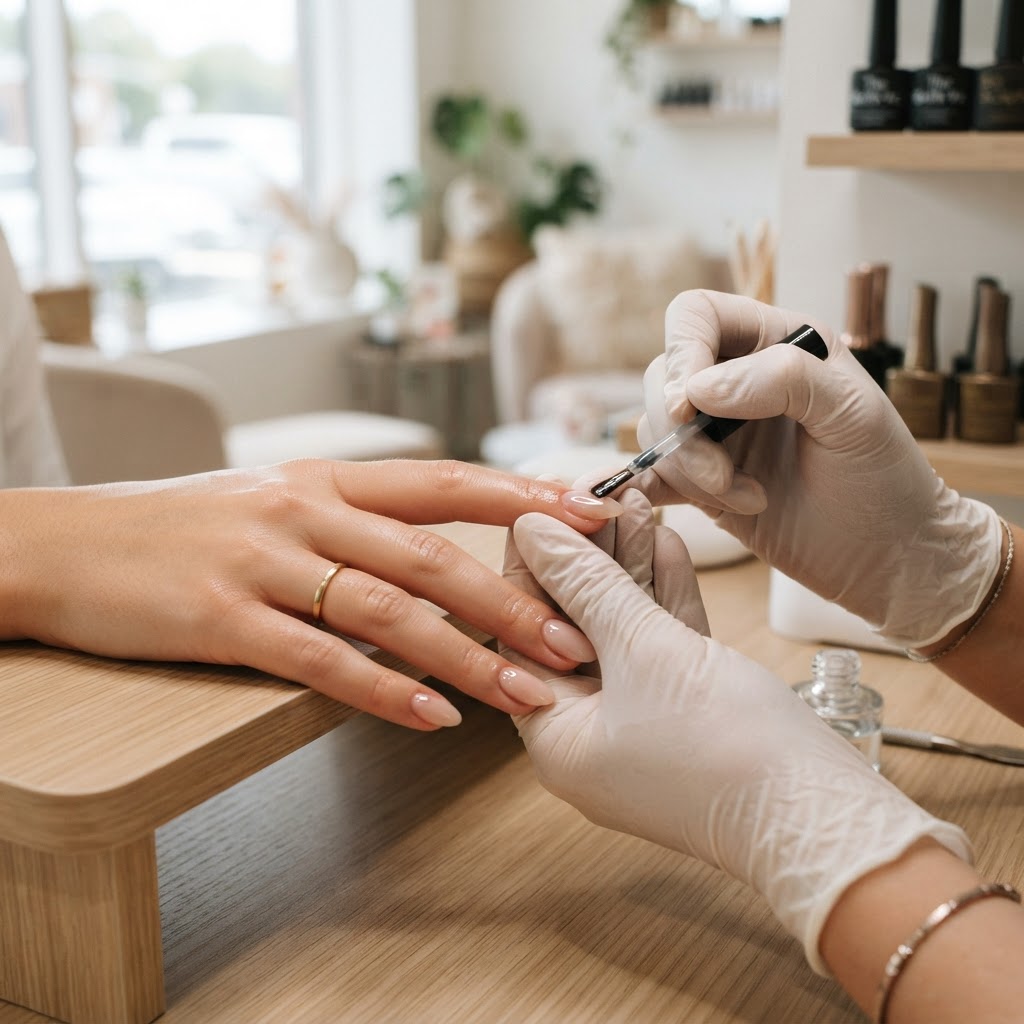
Mastering the Silicone-Smoothing Technique
In the world of high-end gel artistry, the difference between a 'good' manicure and a 'professional-grade' service often comes down to the microscopic smoothness of the final top coat. Many technicians struggle with minute surface imperfections that only become visible under studio lighting or direct sunlight. The 'Silicone-Smoothing' technique is a structural workflow designed to manipulate surface tension to create a perfectly flat, glass-like finish on even the most complex structured overlays.
The Physics of Surface Tension
To understand why overlays ripple, we must look at how gel behaves during the leveling process. Most high-viscosity structured gels rely on gravity and self-leveling properties to fill in brush strokes. However, if the base structure is uneven, the top coat will follow the topography of the nail, resulting in a 'wavy' reflection. Silicone-smoothing is not about adding more product; it is about redistributing the existing top coat to neutralize these surface irregularities.
Step-by-Step Workflow
Join the newsletter
Get fresh nail tutorials, trends, and business tips straight to your inbox.
Troubleshooting Common Imperfections
* The 'Shadow Line' Effect: If you see dark lines in the reflection, your top coat layer is too thin. Increase the volume of the floating bead. If the reflection is distorted, your apex is improperly placed; return to your structural overlay file.
* Edge Pooling: If product leaks into the lateral walls during the inversion process, use a fine-liner brush to trace the perimeter immediately after applying the top coat, but before the flash-cure. This creates a physical 'trench' that prevents the gel from overflowing.
Why Precision Matters for Client Retention
Clients are increasingly sensitive to 'texture' on their nails. A smooth, reflective surface is the hallmark of a high-tier technician. By mastering the Silicone-Smoothing technique, you reduce the need for excessive filing post-cure, which protects the integrity of the gel structure and extends the wear time of the service. Furthermore, a perfectly smooth surface prevents dust and pigment buildup, keeping the manicure looking salon-fresh for the duration of the 3-4 week growth cycle. This attention to detail is precisely what shifts a nail service from a commodity to an experience.
Join the newsletter
Get fresh nail tutorials, trends, and business tips straight to your inbox.