The 'Hydration-Retention' Protocol: Stabilizing Natural Nail Flexibility for Enhanced Overlay Durability
Discover how internal moisture levels directly impact your product retention and learn to calibrate your prep protocol based on the natural nail's unique hydration index.
The Hidden Variable: Nail Plate Hydration
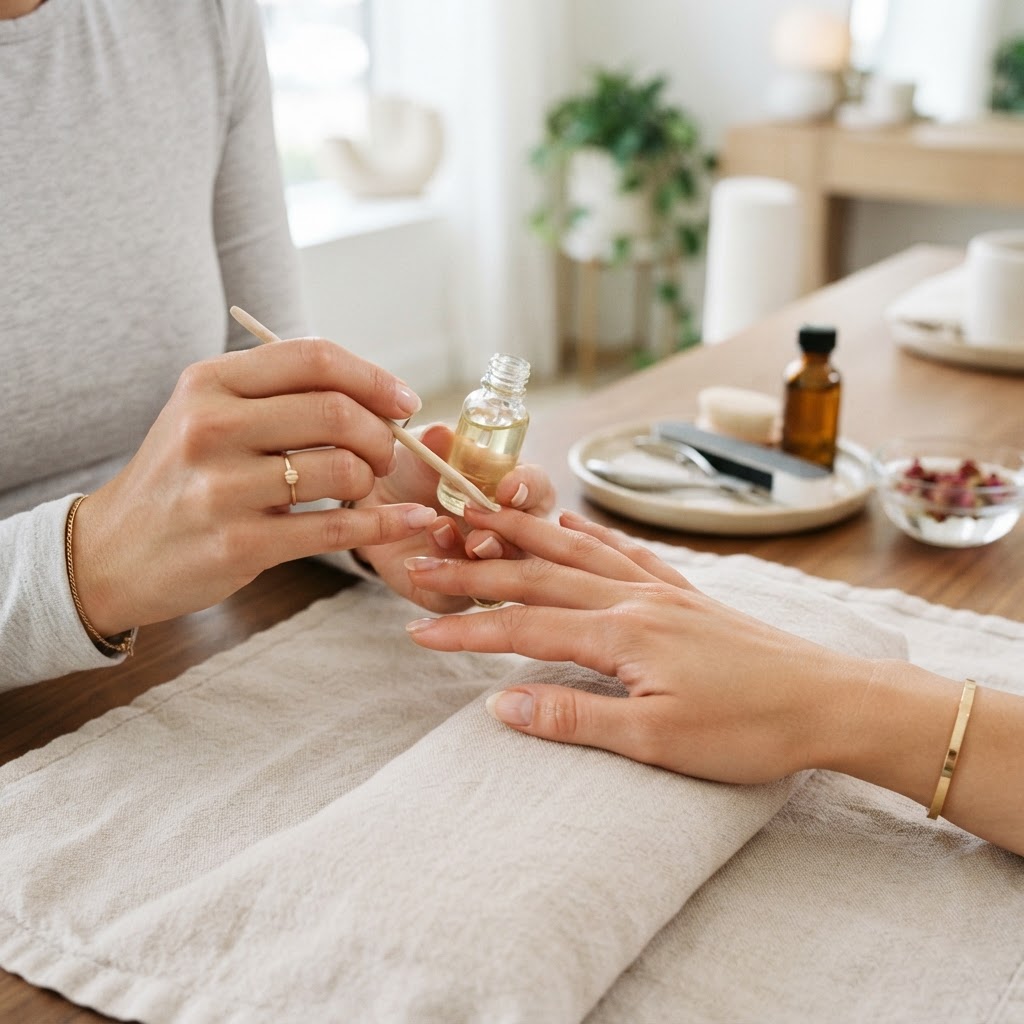
We often focus on surface oil and pH levels when troubleshooting lifting, yet we frequently overlook the most critical factor: the hydration levels within the natural nail plate. A nail plate that is chronically dehydrated becomes brittle and prone to shattering under the weight of rigid overlays, while an over-hydrated plate (often caused by prolonged water exposure) can cause the keratin structure to soften and swell, breaking the molecular bond of your base coat. Achieving consistent retention requires mastering the hydration-retention protocol.
Identifying the Hydration Index
Before you pick up your e-file, you must assess the plate's baseline. Use these three indicators to determine if you are dealing with a dry, balanced, or hyper-hydrated nail bed:
* The Translucency Test: Dry nails often appear chalky or slightly yellowed near the free edge. Hyper-hydrated nails often appear translucent or have a 'cloudy' white appearance when wet.
* The Flex-Snap Threshold: Gently press the free edge. If the nail offers zero resistance and snaps, it is dehydrated. If it bends significantly without returning to its original shape, it is retaining too much moisture.
* The Periungual Check: Look at the eponychium and sidewalls. Red, inflamed, or excessively dry cuticles are direct indicators of the internal health of the nail plate's lipid barrier.
Join the newsletter
Get fresh nail tutorials, trends, and business tips straight to your inbox.
The Calibration Protocol: Prep Adjustments
Once you have identified the index, you must adjust your chemical and mechanical prep accordingly.
For the Dehydrated Client
If the nail is brittle, you must avoid harsh, high-percentage dehydrators that strip the remaining lipids.
For the Hyper-Hydrated Client
These nails are prone to 'water-logging,' which creates a poor foundation for adhesion.
Post-Service Maintenance Advice
Your work doesn't end when the client leaves the chair. Educate your clients on the 'Golden Rule of Moisture'—water is a solvent. Encourage the use of nitrile gloves for dishwashing and cleaning tasks. More importantly, emphasize the use of high-quality, jojoba-based cuticle oils. Contrary to popular belief, jojoba oil does not 'rehydrate' the nail in a way that causes lifting; it seals the nail plate, protecting the structural integrity of your overlay and preventing the 'brittle-snap' cycle that plagues long-wear extensions. By tailoring your prep to the specific hydration needs of the client, you move from simple application to true structural engineering.
Join the newsletter
Get fresh nail tutorials, trends, and business tips straight to your inbox.
