
The 'Hydration-Equilibrium' Protocol: Neutralizing Onycholysis in High-Frequency Gel Users
Learn how to diagnose and treat the early stages of gel-induced onycholysis by balancing moisture levels and monomer-to-polymer ratios during the prep process.
The Hidden Danger of Over-Processing
Many nail technicians prioritize long-wear retention above all else, often relying on aggressive acid primers and heavy-handed etching. However, the result is frequently a clinical condition known as onycholysis—the separation of the nail plate from the nail bed. In high-frequency gel users, this is rarely caused by a single event; it is a cumulative effect of moisture imbalance and chemical dehydration.
The Science of 'Dehydration Fatigue'
When we dehydrate the nail plate to ensure adhesion, we are temporarily stripping the keratin of its natural flexibility. If the nail plate remains in a state of 'dehydration fatigue' for weeks at a time, the plate becomes brittle. As the client moves through their daily life, the rigid, brittle plate cannot flex with the natural expansion of the nail bed, leading the plate to peel away from the hyponychium.
Implementing the 'Hydration-Equilibrium' Protocol
Join the newsletter
Get fresh nail tutorials, trends, and business tips straight to your inbox.
To combat this, we must shift our focus from 'maximum adhesion' to 'balanced integrity.' Follow these steps:
Troubleshooting Chronic Lifting
If you have a client with recurring lifting, stop applying primer across the entire surface. Use a 'Peripheral-Anchor' approach: apply primer only to the outer 2mm of the nail plate. This keeps the center of the nail, which holds the bulk of the product, hydrated enough to remain flexible while ensuring the perimeter remains securely bonded to the natural nail.
Educating the Client
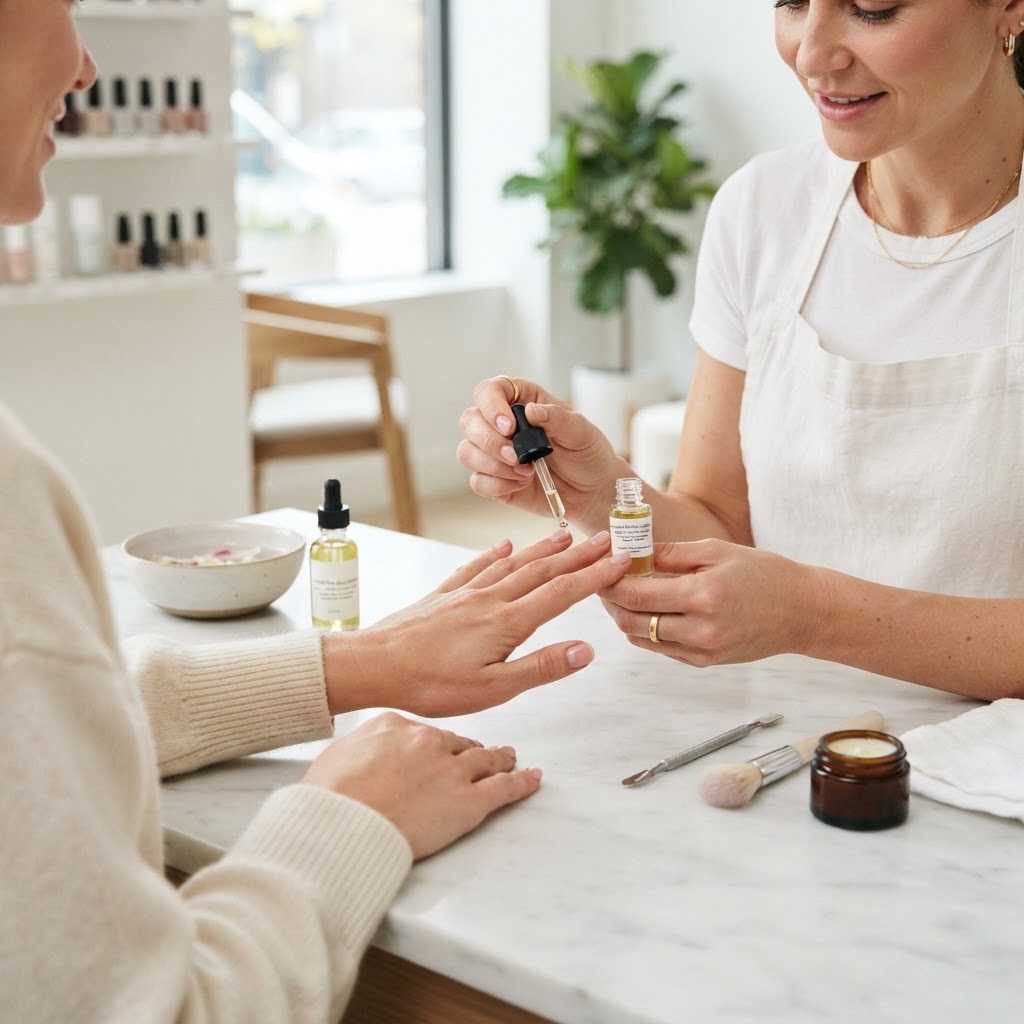
Part of this protocol involves home-care education. Your client must be using a high-quality, cold-pressed jojoba-based cuticle oil at least twice daily. This isn't just for the skin; the oil travels through the microscopic layers of the nail plate to keep the keratin supple.
By adopting the 'Hydration-Equilibrium' Protocol, you aren't just preventing damage; you are elevating the quality of your services. A nail that maintains its structural integrity is a nail that stays on longer, grows healthier, and keeps your clients coming back for years rather than suffering from product sensitivity or nail bed recession.
Join the newsletter
Get fresh nail tutorials, trends, and business tips straight to your inbox.
