Mastering Color Theory for Nail Art: A Guide for Artists and Salon Owners
Understanding color theory is essential for nail artists looking to elevate their designs and attract loyal clients. This guide provides actionable steps to incorporate color theory into your nail art business.
Mastering Color Theory for Nail Art: A Guide for Artists and Salon Owners
Creating stunning nail designs goes beyond technical skills; understanding color theory is a game-changer that can differentiate your work and keep clients coming back. This guide will provide you with actionable steps to effectively integrate color theory into your nail art practice.
Why Color Theory Matters
Color theory helps artists understand how colors interact, how they can evoke emotions, and how to create balance in design. As nail artists and salon owners, mastering this theory enables you to:
Create Harmonious Designs: Using complementary colors can make your artwork pop.
Evoke Emotions: Different colors stimulate different feelings, aiding in client satisfaction.
Upsell Services: Clients who feel understood and well-advised about colors are more likely to book follow-up appointments.
Basics of Color Theory
#### Primary, Secondary, and Tertiary Colors
Primary Colors: Red, blue, and yellow. These cannot be created by mixing other colors.
Secondary Colors: Orange, green, and purple, formed by mixing primary colors.
Tertiary Colors: Created by mixing a primary color with a secondary one (e.g., blue-green, red-orange).
#### Color Wheel
Using a color wheel is an invaluable tool. It helps you visualize how colors relate to each other. Familiarize yourself with:
Complementary Colors: Colors opposite each other on the wheel. They create an intense contrast (e.g., blue and orange).
Analogous Colors: Colors next to each other. They create a soothing effect (e.g., blue, green, and teal).
Practical Steps to Incorporate Color Theory into Your Nail Art
Join the newsletter
Get fresh nail tutorials, trends, and business tips straight to your inbox.
#### 1. Create a Color Palette
Identify Your Style: Choose a signature palette of colors that reflect your brand.
Seasonal Collections: Update your palette with seasonal colors. For instance, pastels in spring and deep tones in winter.
Client Consultation: Encourage clients to express their preferences and incorporate them into a tailored palette.
#### 2. Use Color Combinations Strategically
Client Profiles: Keep a record of client preferences. For example, a client who loves warm tones but rarely opts for orange can be encouraged to step out of their comfort zone.
Mood Boards: Create mood boards that cohesively use color theory principles. Showcase them to clients for inspiration when discussing their designs.
#### 3. Experiment with Nail Art Techniques
Ombre and Gradient Effects: Use analogous colors to blend seamlessly.
Color Blocking: Use complementary colors to create striking, geometric designs.
Marble Effect: Experiment with different colors to create a unique marble design that stands out.
Educating Clients on Color Choices
Clients may not fully understand the significance of color theory, so it’s essential to educate them during the consultation process.
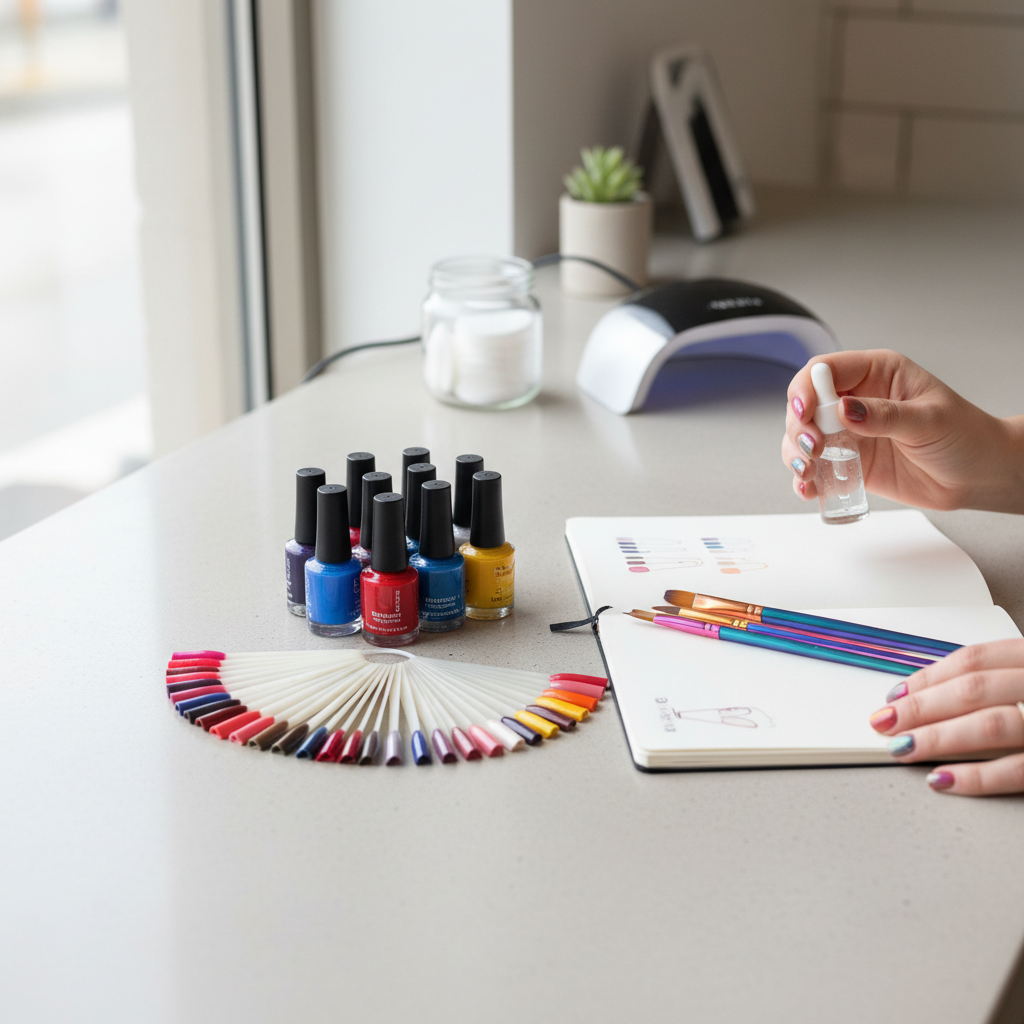
Color Cards: Develop color cards showcasing various hues and finishes (glossy, matte) to help them visualize their options.
Workshops: Host nail art workshops where you educate clients about color applications and combinations.
Tools & Resources
Color Wheel App: Use mobile apps that enable you to explore color harmony.
Inspiration Platforms: Platforms like Pinterest can help you gather design ideas across various themes and seasons.
Nail Art Courses: Consider online courses specifically about color theory for nail art to enhance your skills and offerings.
Conclusion
Mastering color theory is an essential tool in your arsenal as a nail artist. By understanding how colors interact, you can elevate your designs, create a more cohesive salon experience, and ultimately keep your clients satisfied and engaged. Regular practice and education will ensure that you not only improve your skill set but also position yourself as a go-to nail artist in your area.
Call to Action
Take a moment to examine your current color palettes and consider how you can incorporate these techniques into your next nail appointment. Remember, color theory isn't just about knowledge—it's about execution and connecting with your clients on a profound level.
SEO Tags
Color Theory in Nail Art
Nail Art Techniques
Creative Nail Designs
Nail Artist Education
Client Engagement Strategies
Estimated Read Time
6 min read
Learn More on NailRush
Watch tutorials, shop products, and connect with nail artists worldwide.
Join the newsletter
Get fresh nail tutorials, trends, and business tips straight to your inbox.